Order list
Total: 0
products
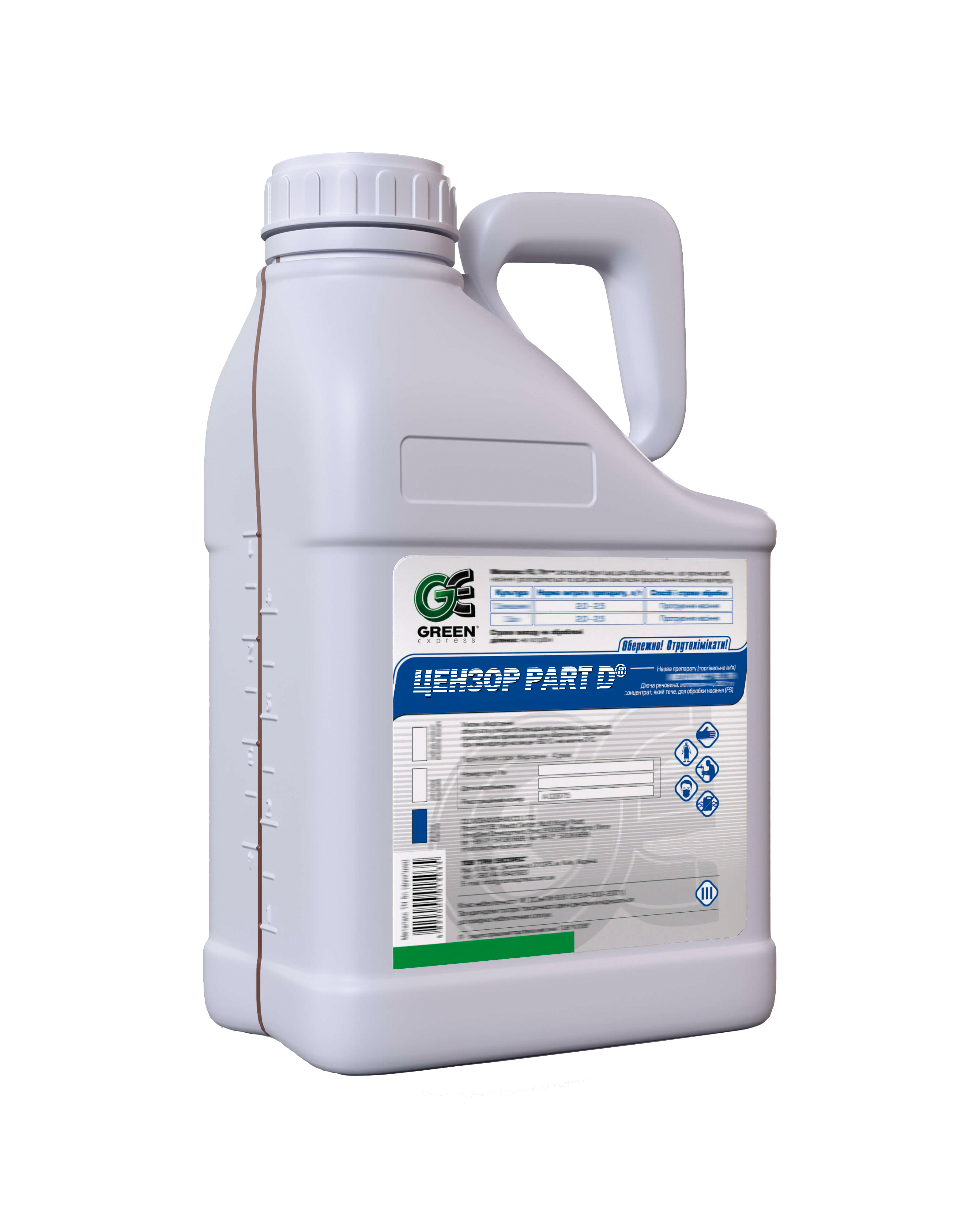
• CENZOR PART D SC, SC – a highly effective systemic fungicide for protecting crops from fungal diseases during the growing season.
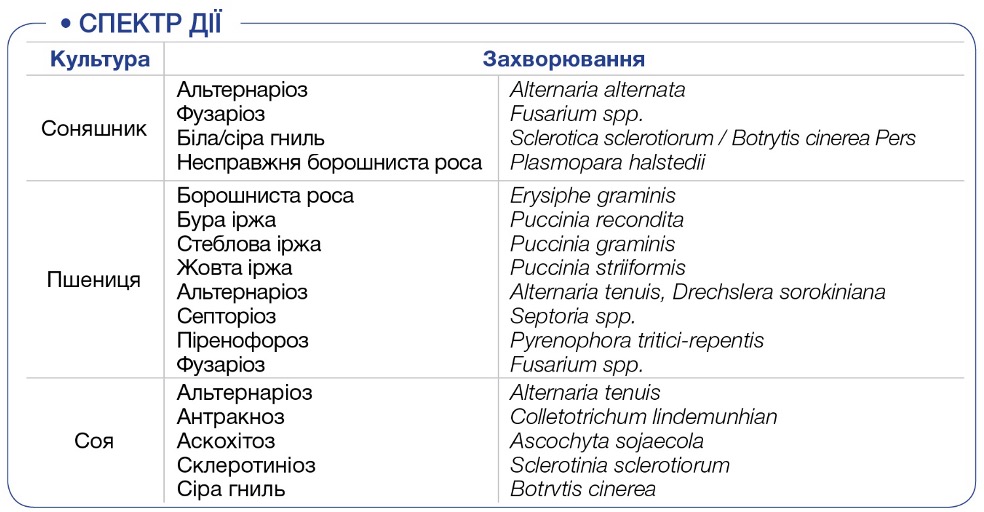
CENZOR PART D SC, SC is a systemic fungicide with both preventive and curative properties. It effectively controls powdery mildew, various rust species, and other wheat diseases. It also combats different types of rot and other diseases affecting sunflower and soybean crops.
The active ingredient, belonging to the triazole chemical group, penetrates the plant within 2 hours and is rainfast, meaning it is not washed off by rain once absorbed.
• ADVANTAGES OF THE PRODUCT:
 a product with powerful fungicidal activity targeting a wide spectrum of pathogens
improves the commercial quality of grain and its germination when used as seed
no residual effect in the plant or in the seed
an optimal partner in mixtures for comprehensive crop protection
enhances both the quantity and quality of the yield
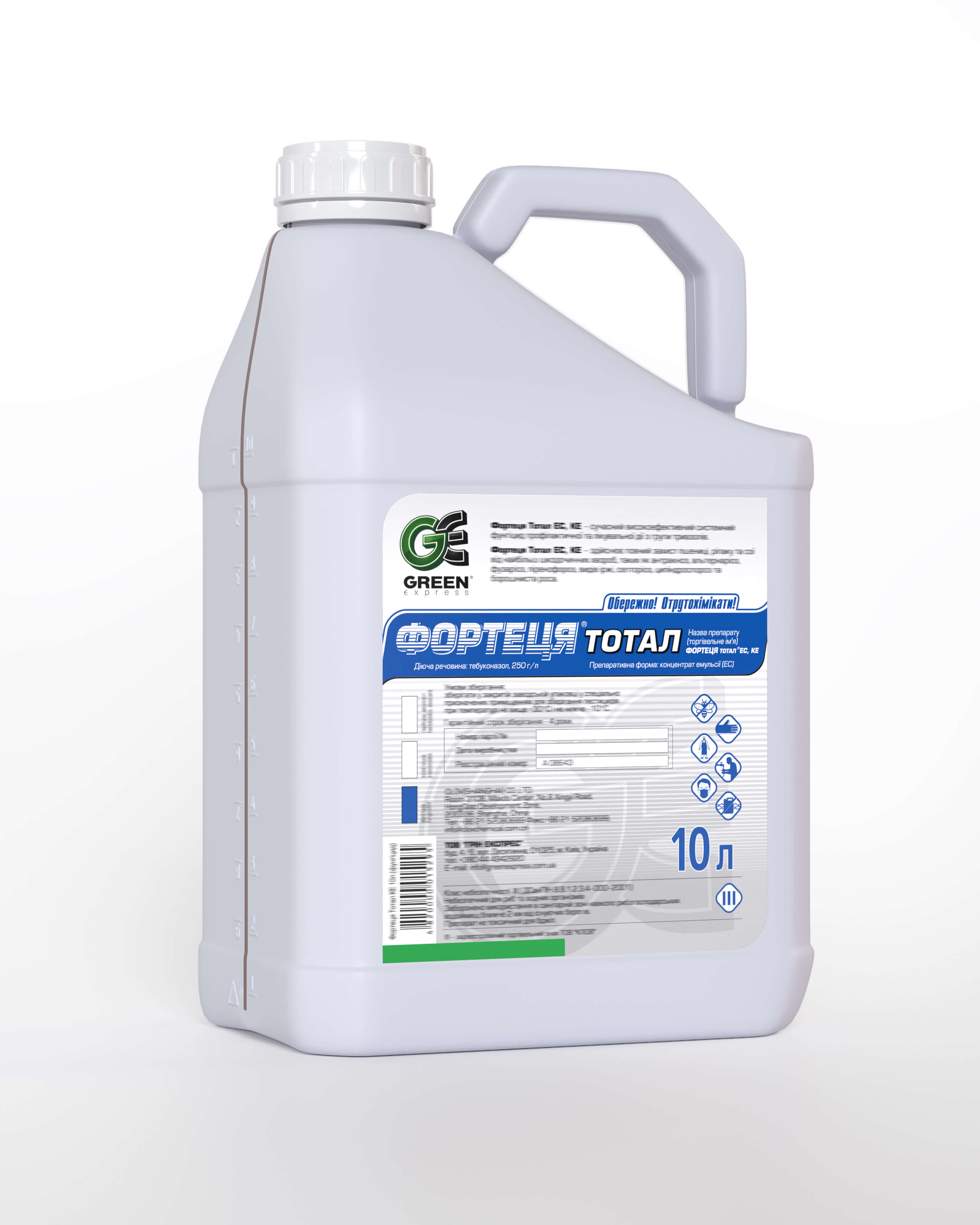
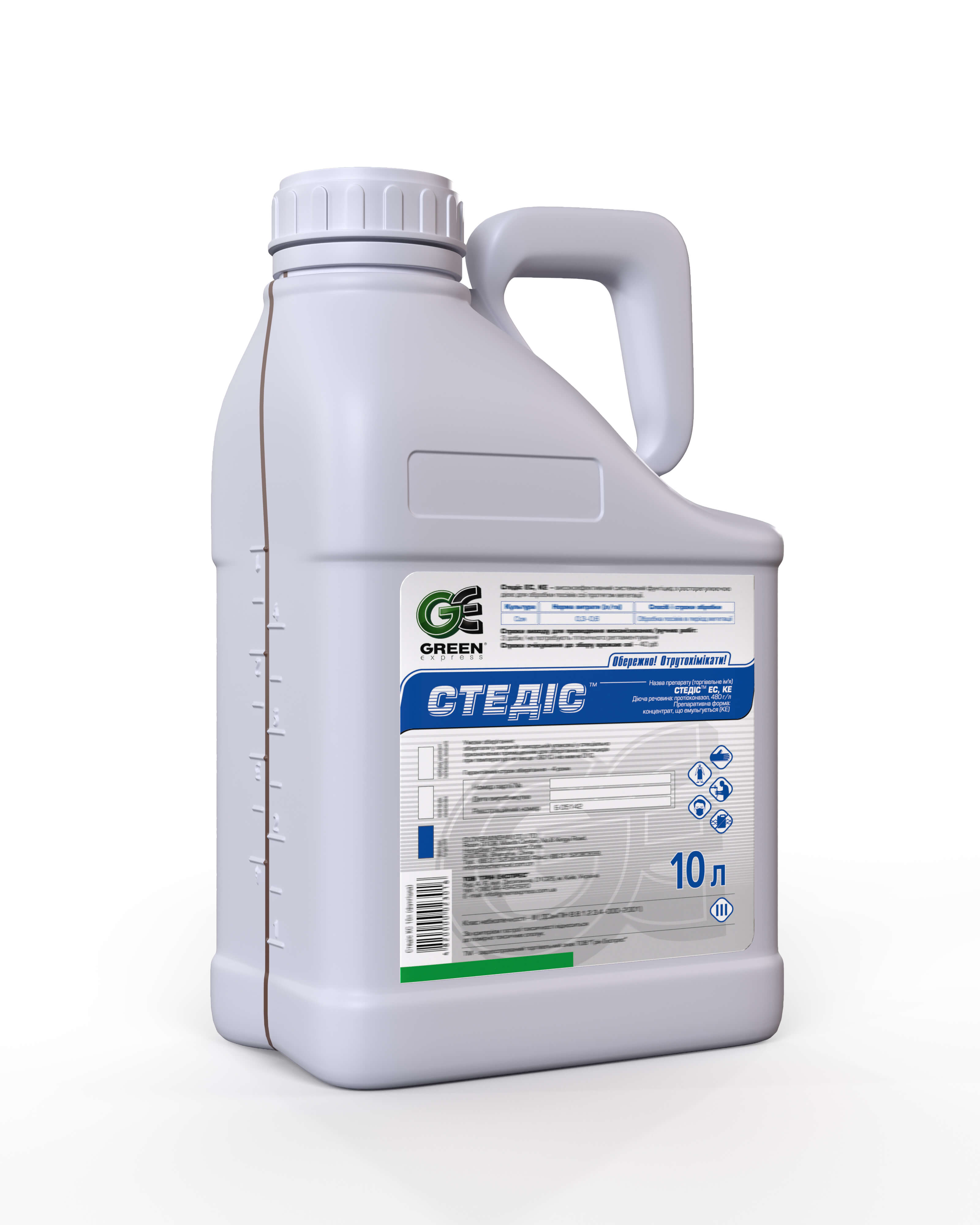
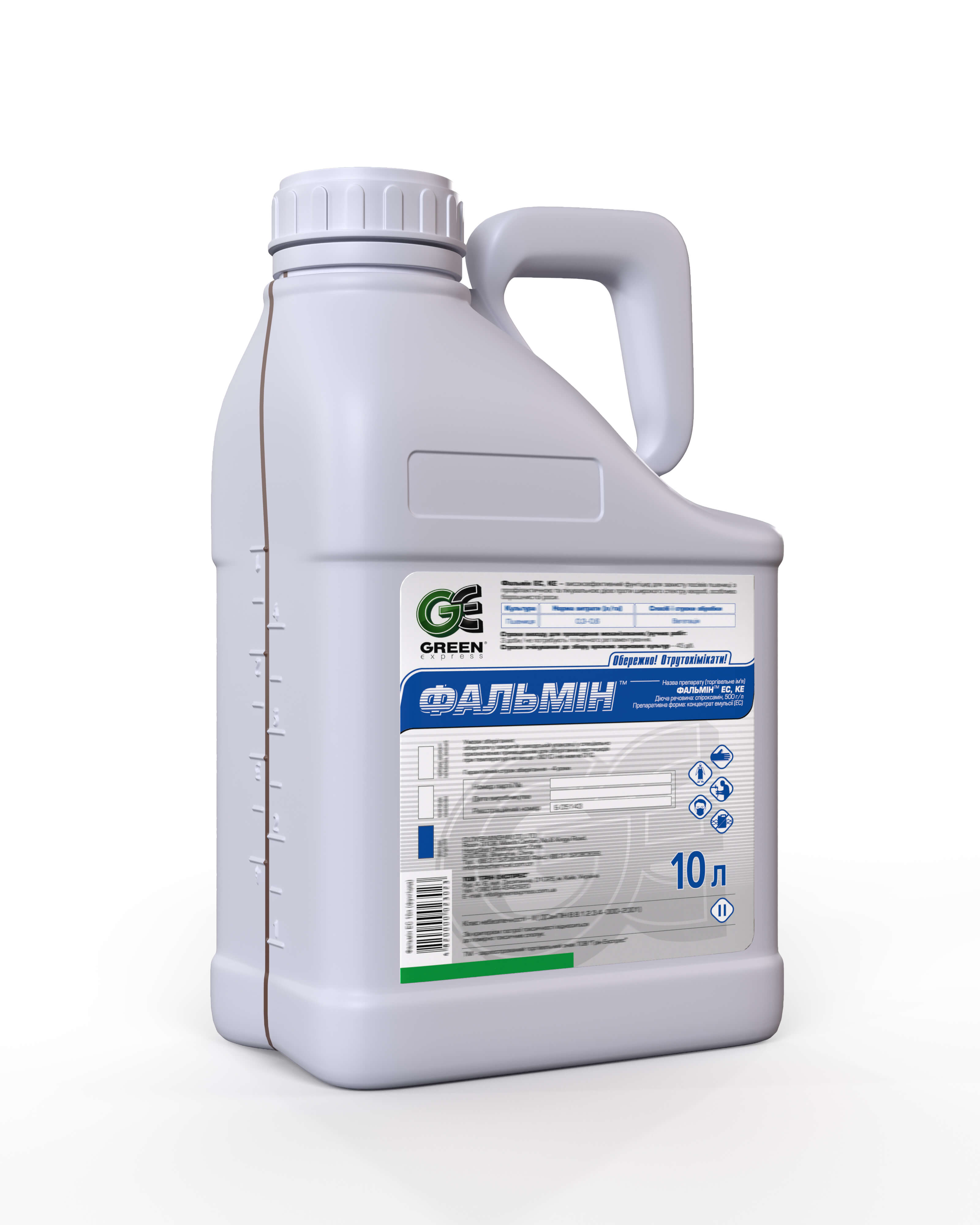
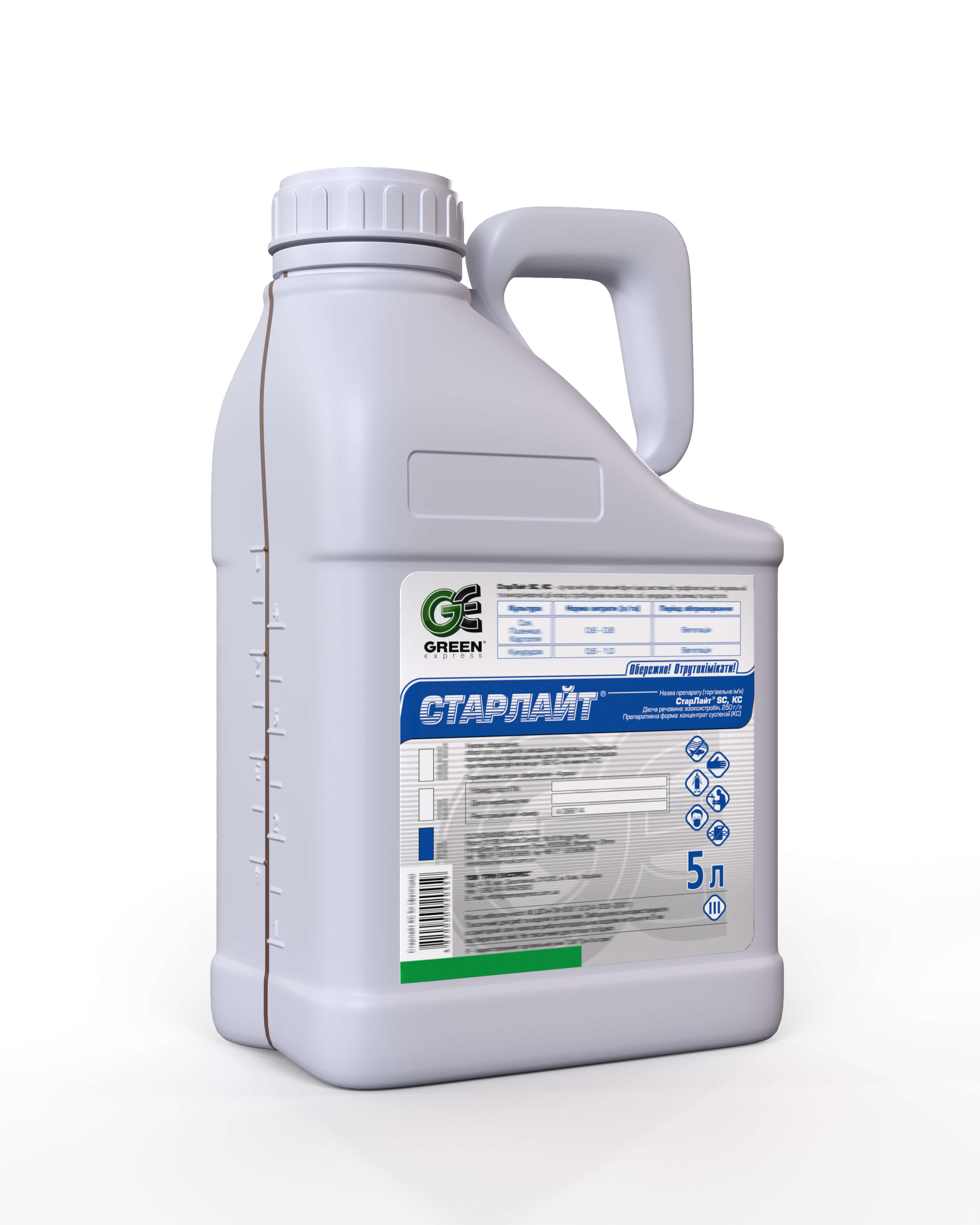
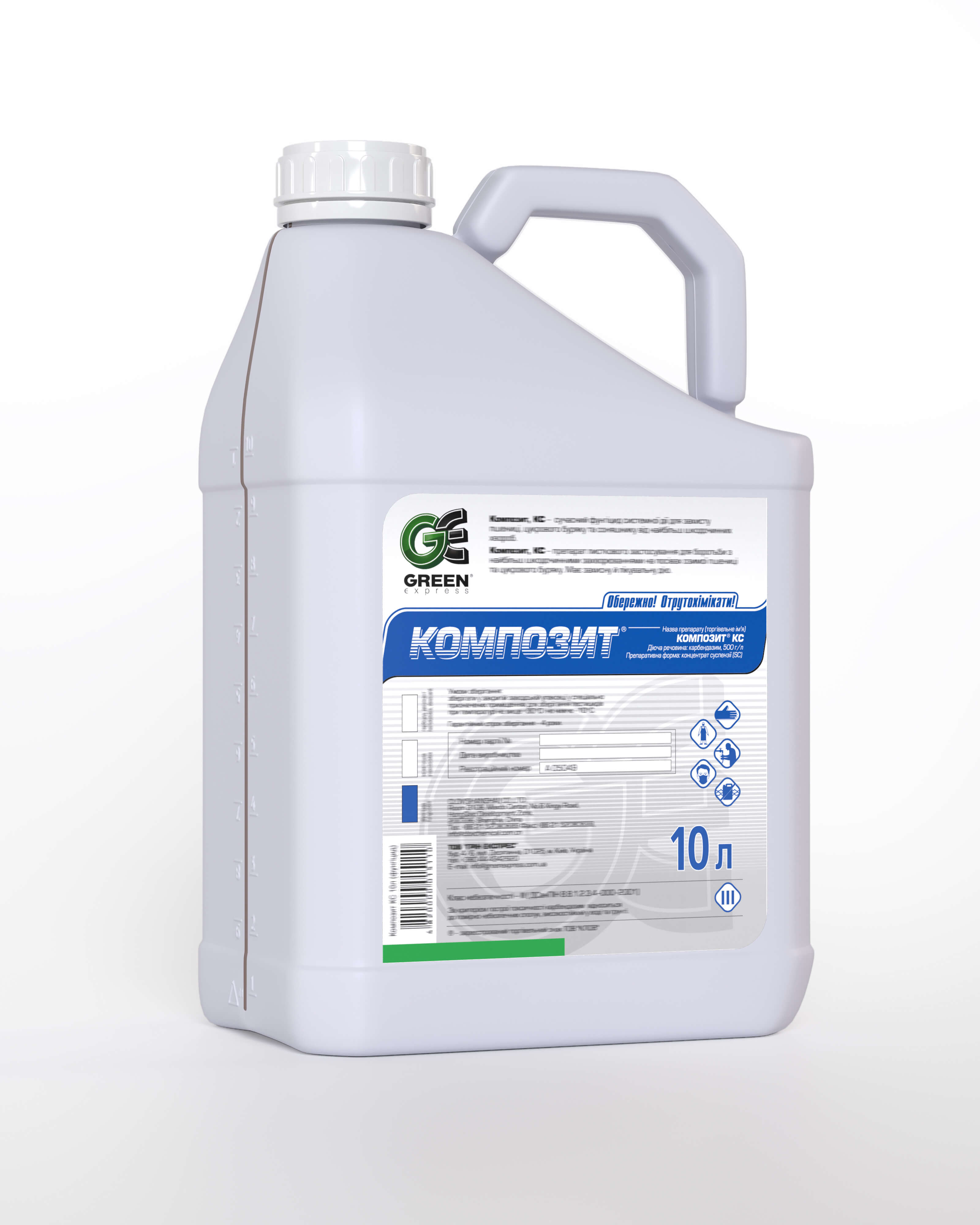
• РRODUCT is available in a convenient and reliable that has been tested for durability on the pressure and mechanical stress, which occurred during transportation and storage. Inside the canister contained ftoryste special coating that provides guaranteed protection environment.
• PACKAGING - jerrycan 10 L
• APPLICATION METHODS
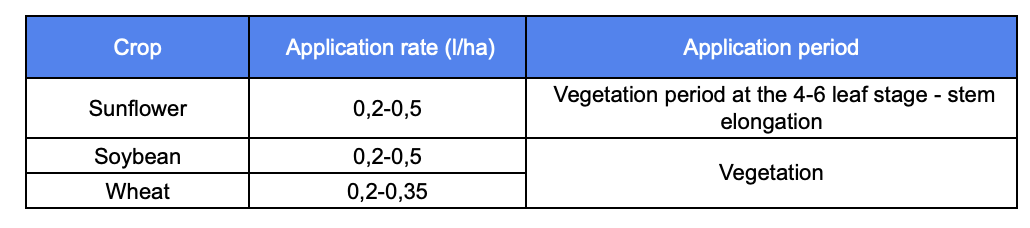
The product should be applied during the vegetation period of crops to increase resistance to extreme weather conditions and to prevent the occurrence and development of diseases. It is compatible with most pesticides and fertilizers; however, compatibility should be checked in each specific case. The optimal temperature range for application is between +8°C and +25°C. Spraying should be carried out in the morning or evening when wind speed does not exceed 5 m/s. Re-treatment should be done at intervals of 7–10 days depending on weather conditions. It is highly effective against powdery mildew at moderate infection levels. An interval of 10–12 days between treatments should be maintained. The number of treatments and the interval between them depends on disease development forecasts and weather conditions favorable to pathogen growth. To avoid resistance development, after two applications of this product, further treatments should be carried out with products from different chemical classes.